Seminar by Prof. Nina Fischer, Florian Wüst
Artbased Research and Practice
Summer Semester 2026
Universität der Künste Berlin
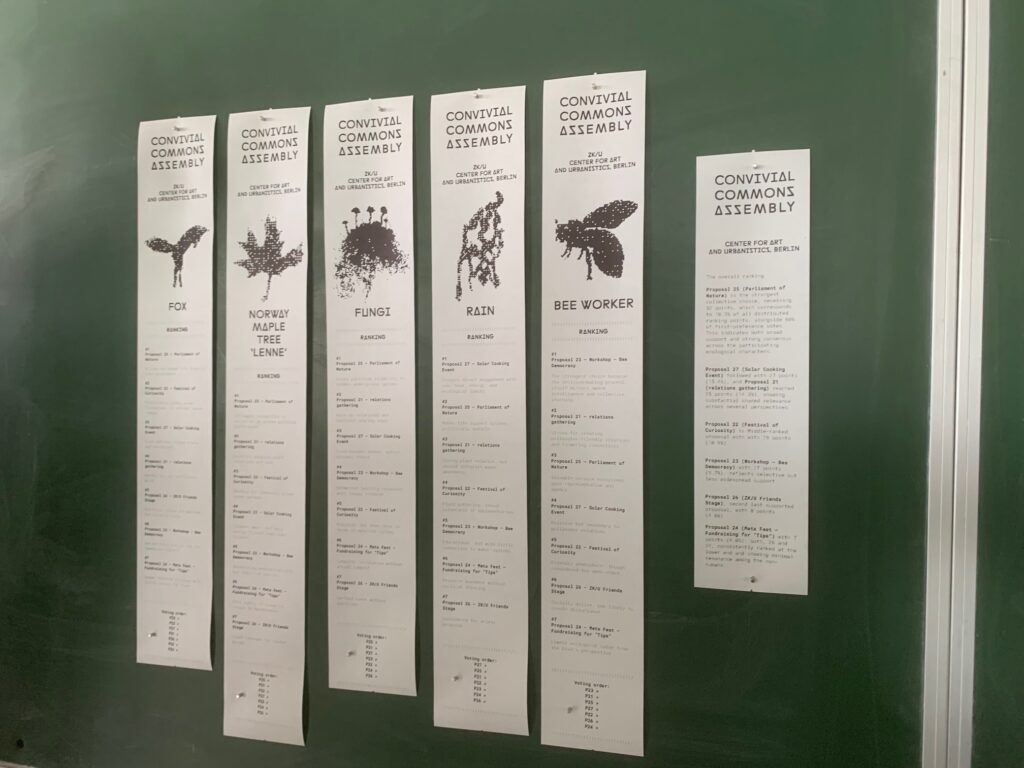
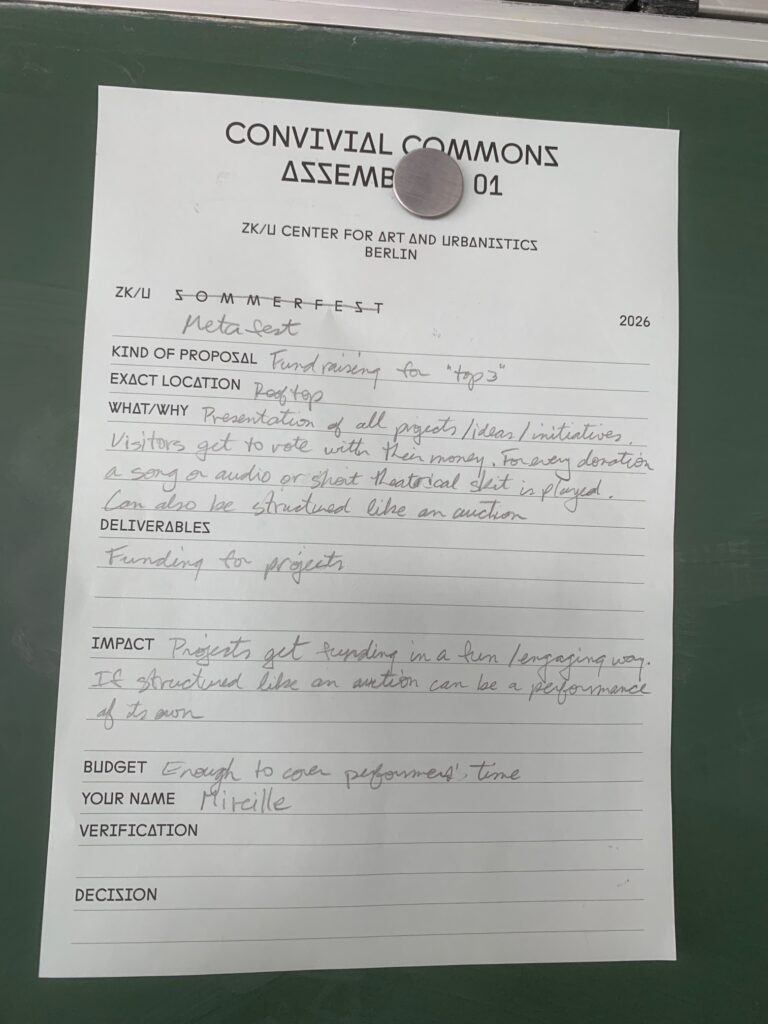
Following on from the 2024/25 seminar ‘More than green – urban ecology and art’, this seminar explored future urban ecologies in Berlin.
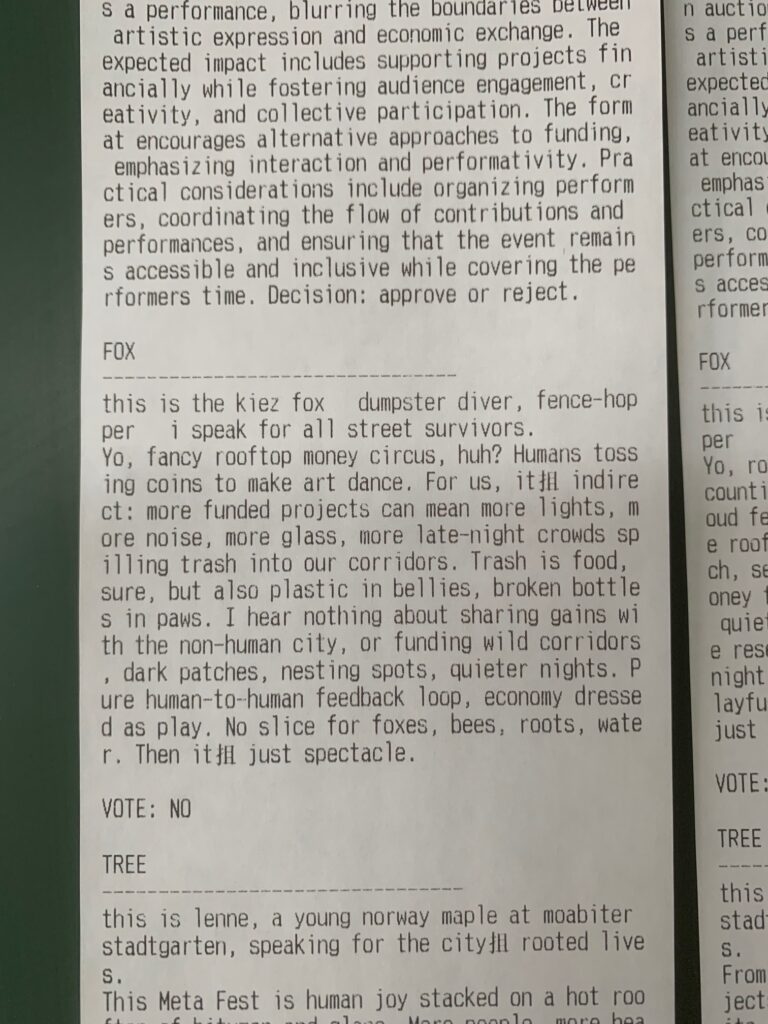
The group investigated where transformations in urban space reveal an equal interaction between human and more-than-human actors. Central questions guided the research: Can the city be understood and interpreted as a biodiverse space? Does the collaboration between art and science prove to be meaningful, and what current approaches exist to address these questions?
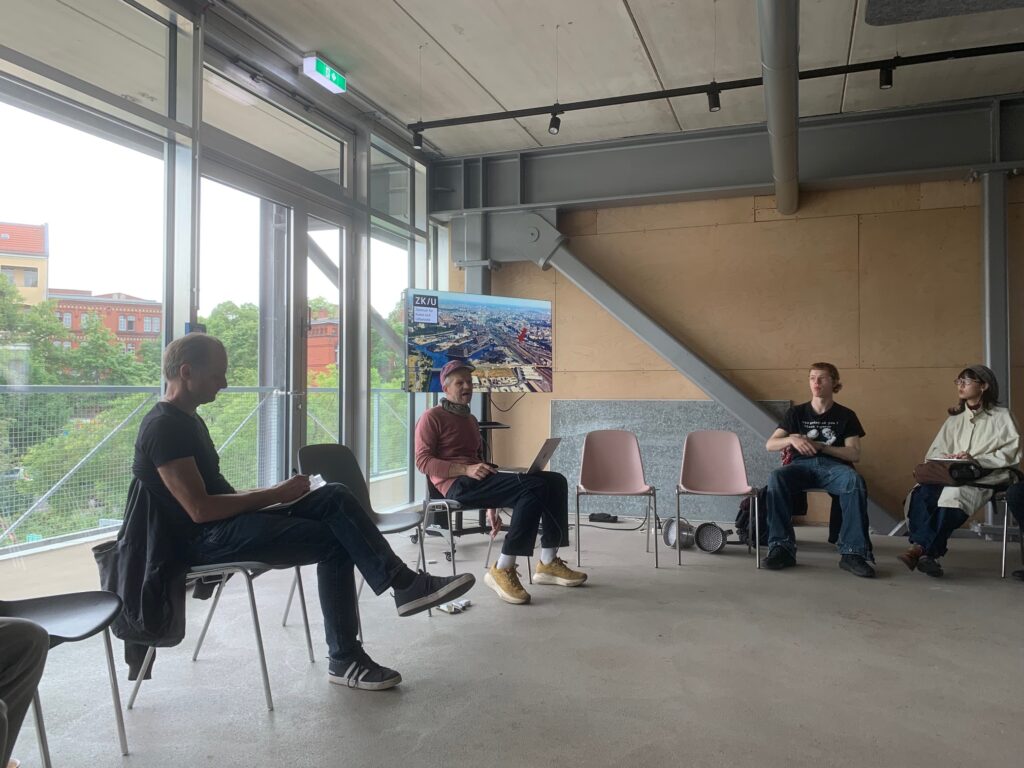
The seminar discussed the history and present of the ecological question, establishing connections to artistic practices and initiatives that explored, shaped, and politicised the relationship between city and nature in diverse ways. These discussions were enriched by the perspective of co-lecturer Florian Wüst, a Berlin-based film curator, artist, publisher, and co-founder of the Berliner Hefte on the History and Present of the City. Wüst bridged theoretical inquiry with curatorial perspectives, drawing on his experience co-curating the 2025 exhibition “Heute noch, morgen schon” at the Nikolaikirche.
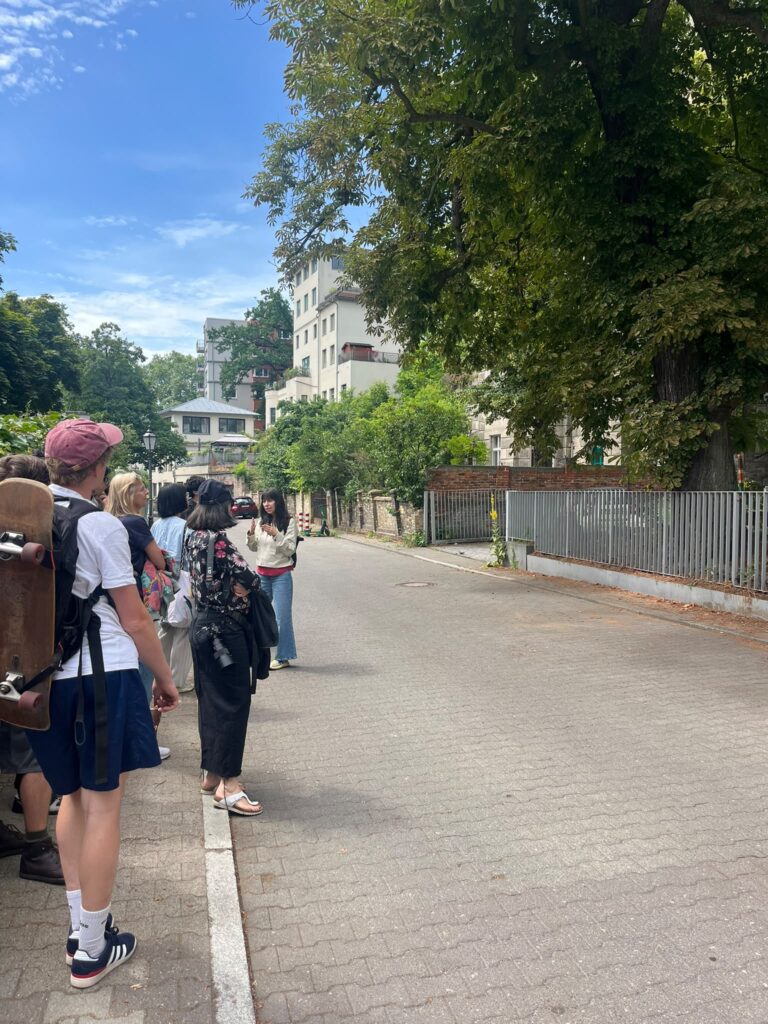
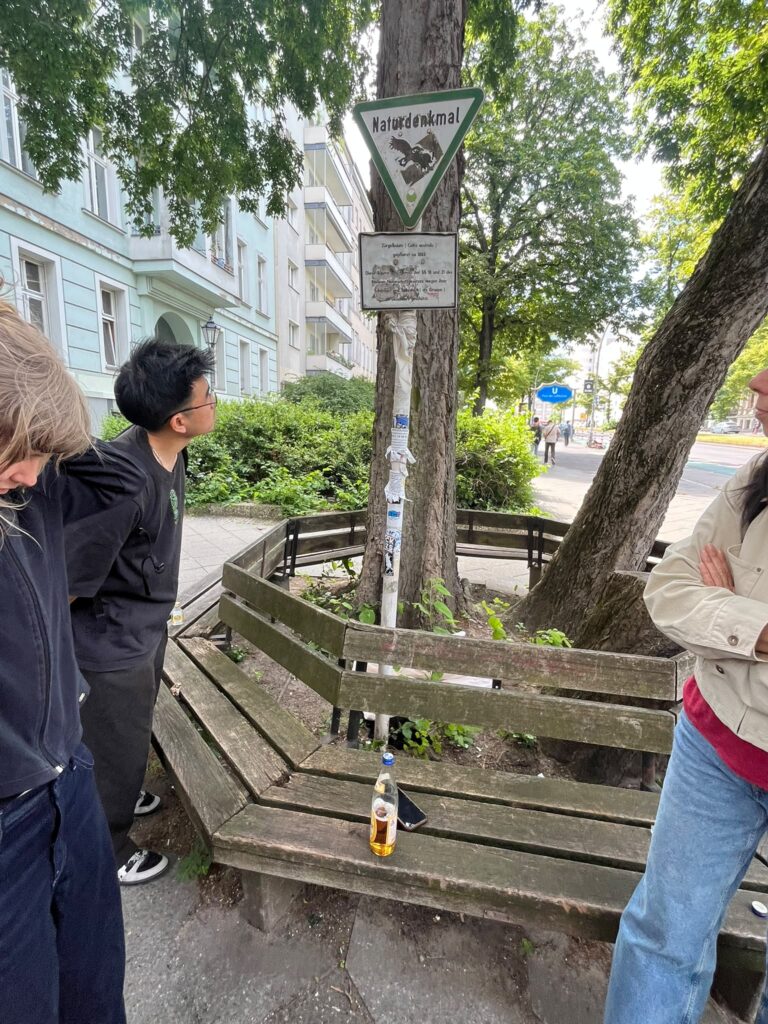
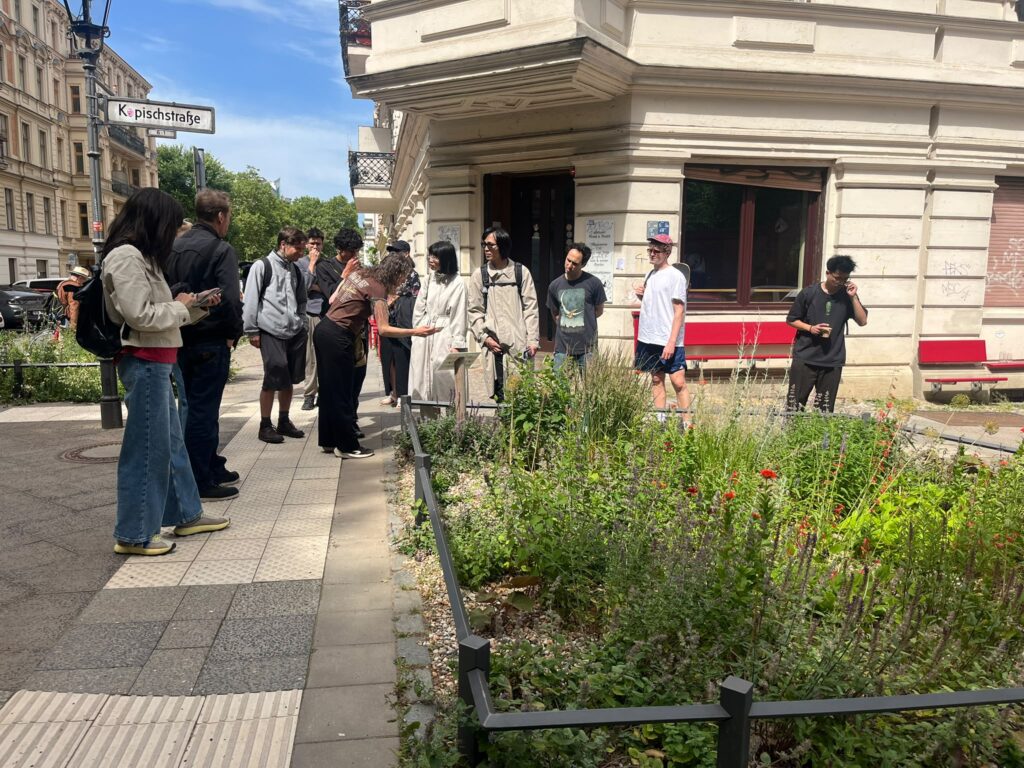
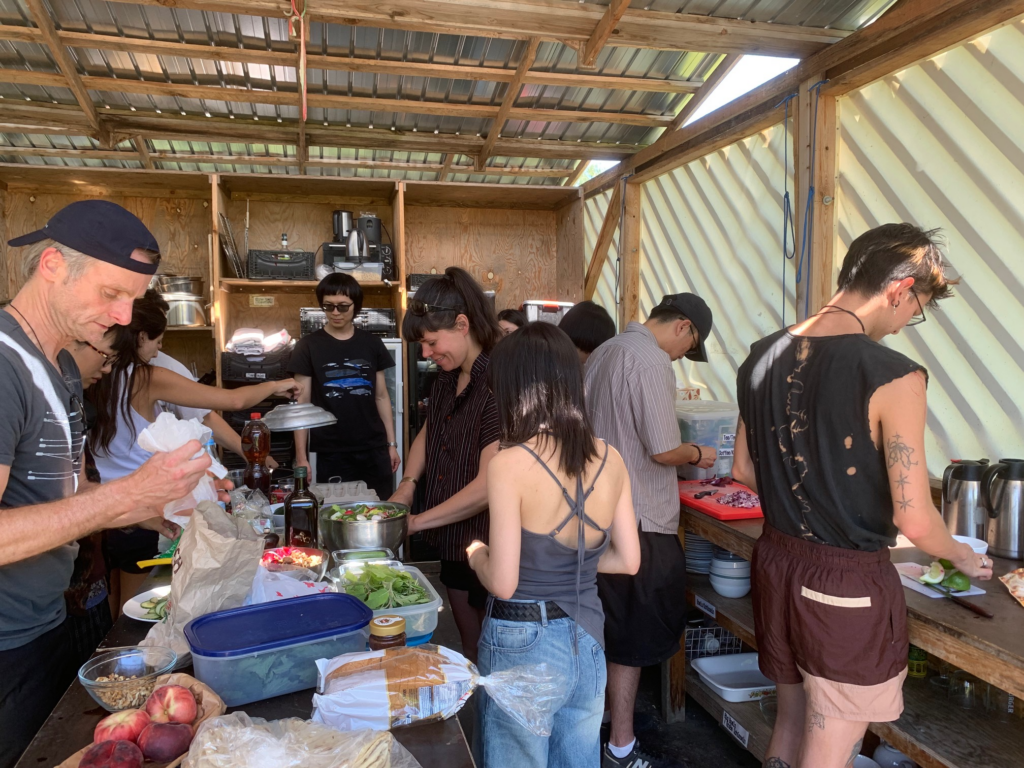
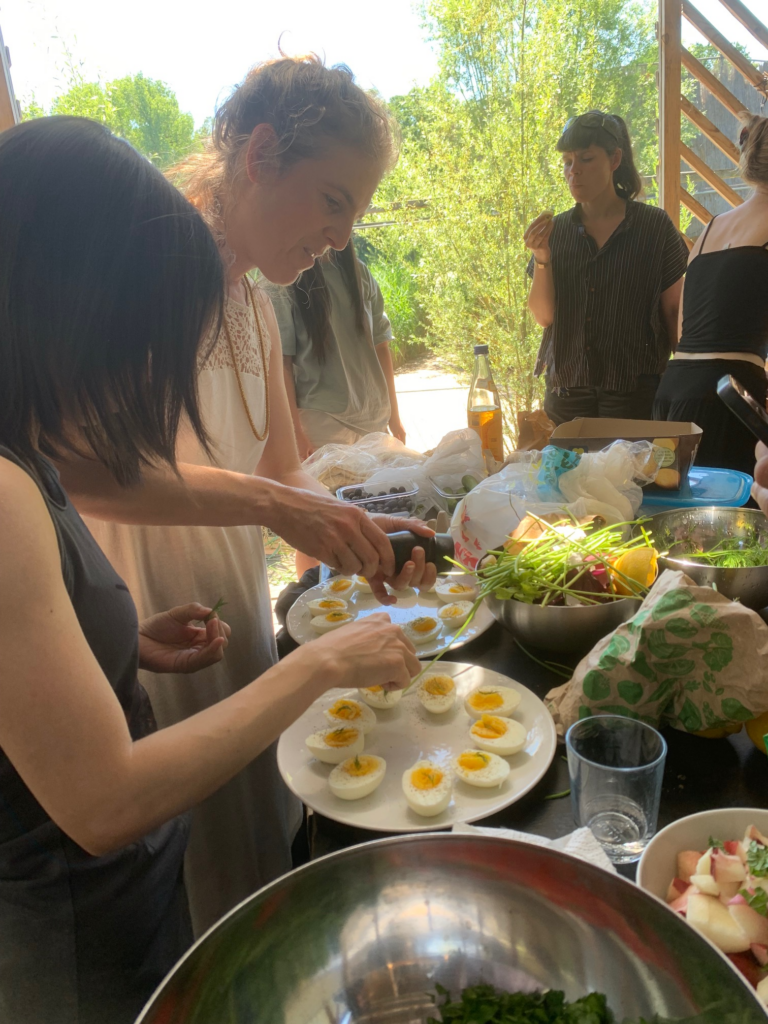
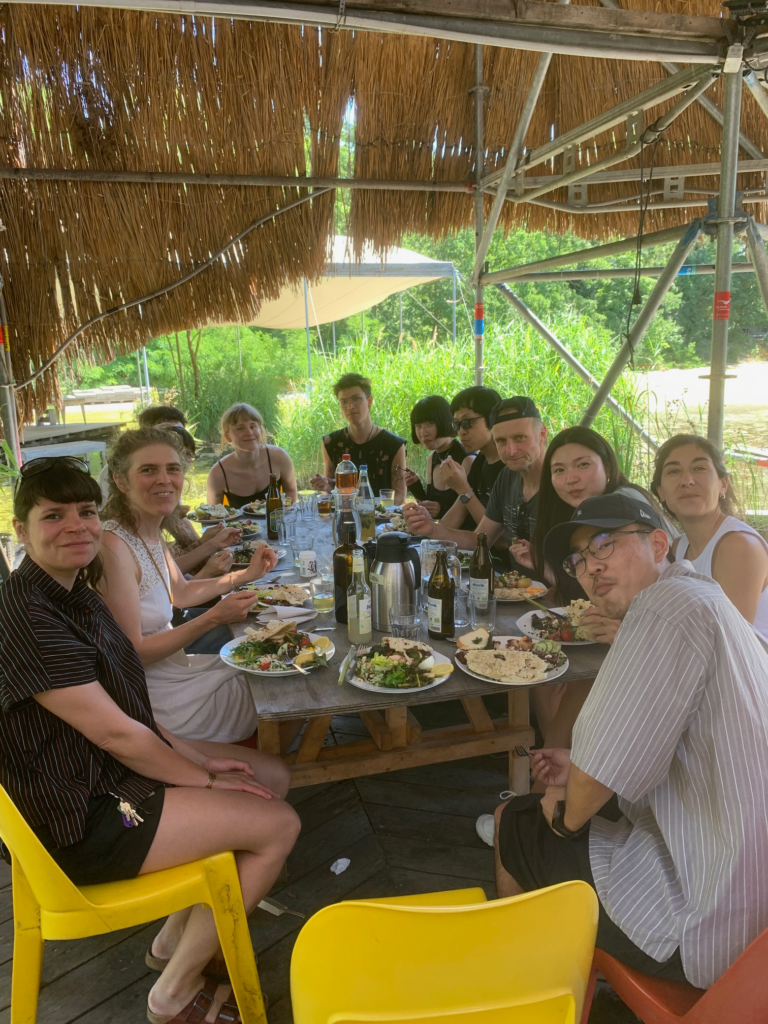
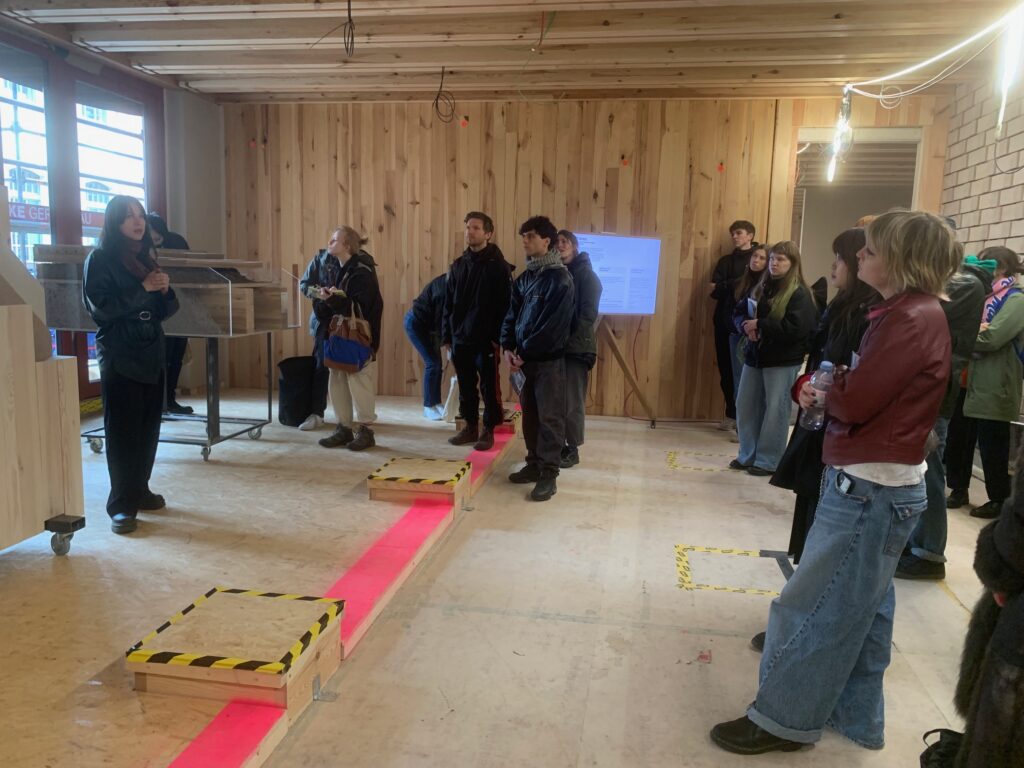
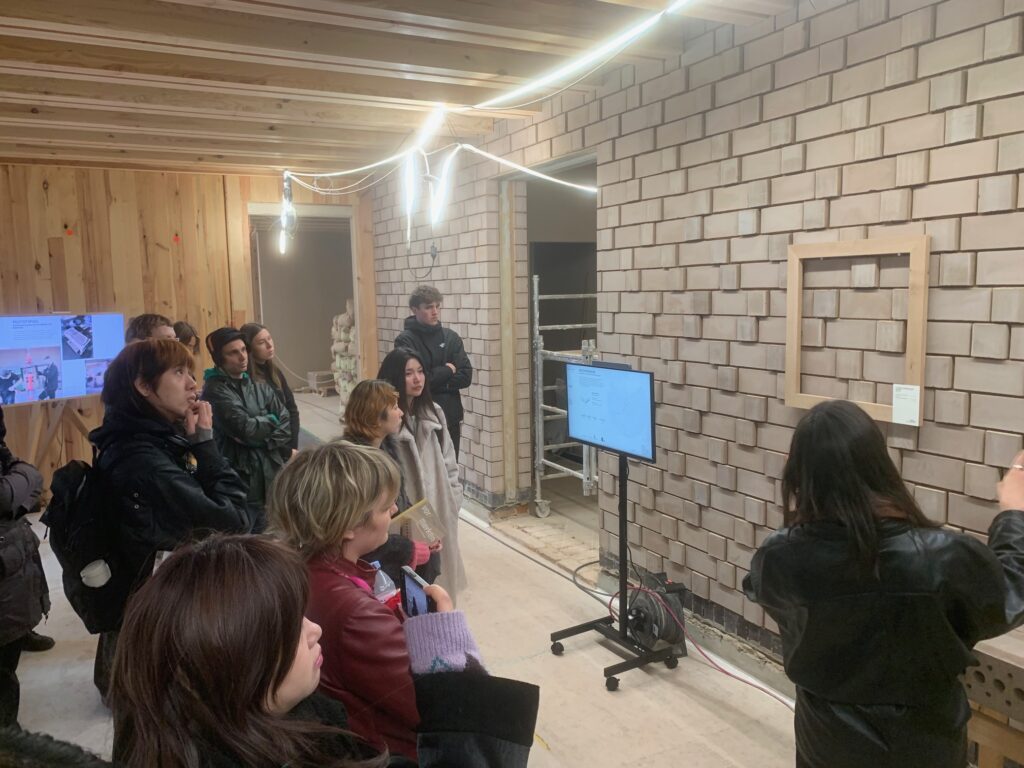
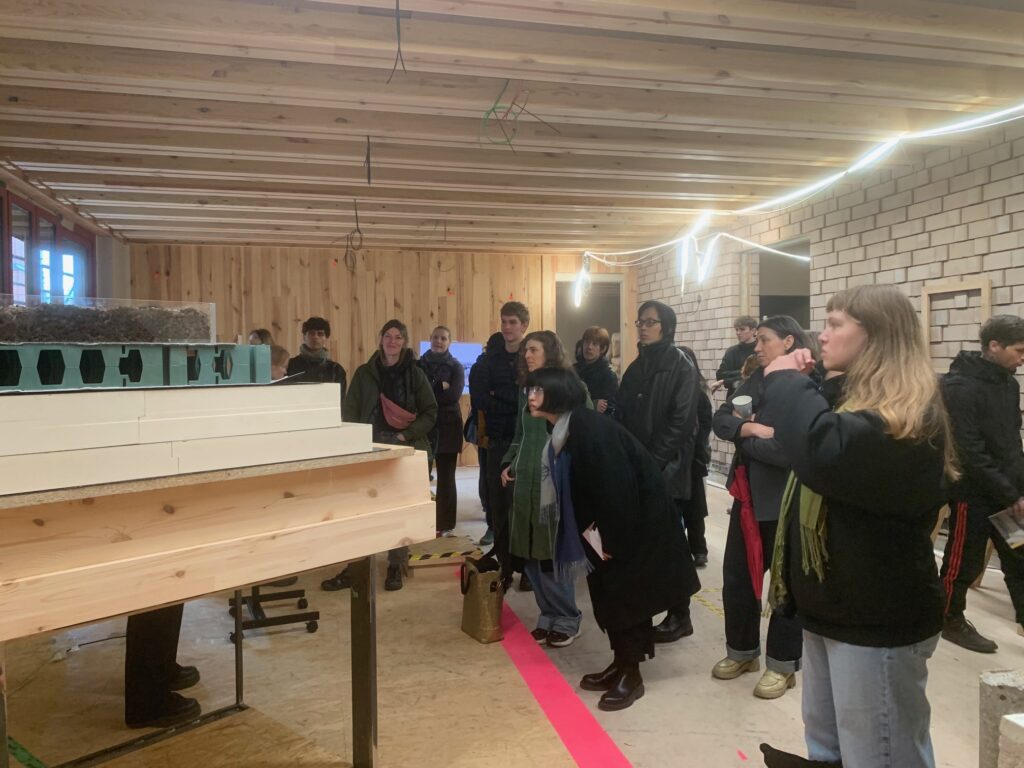
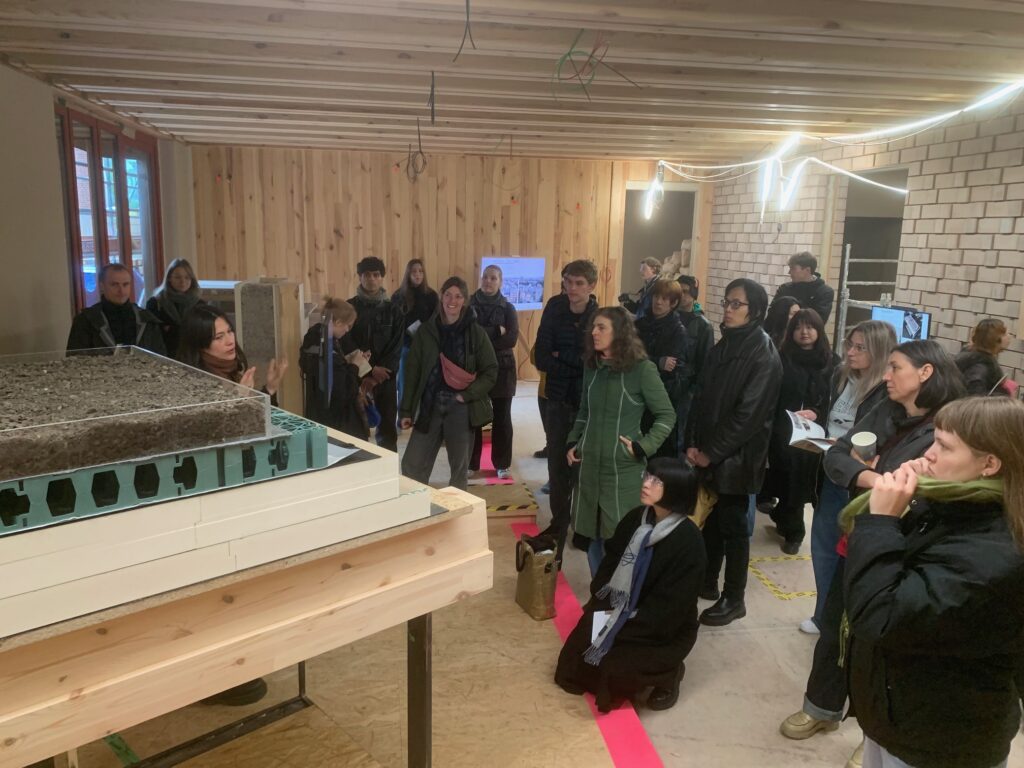
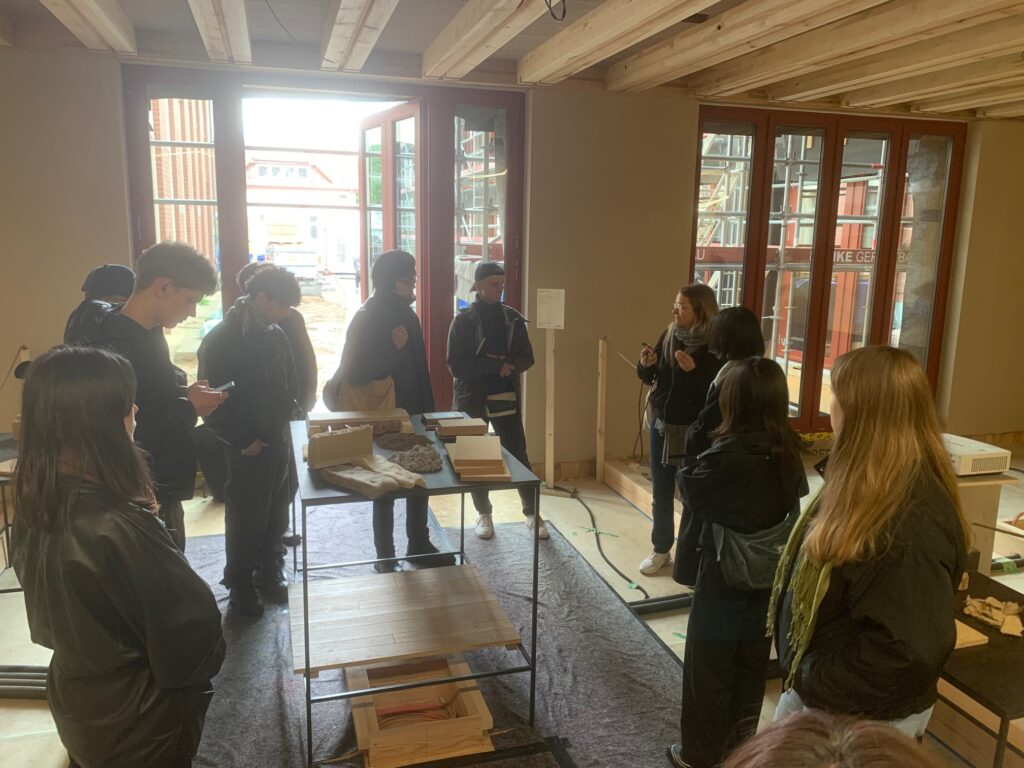
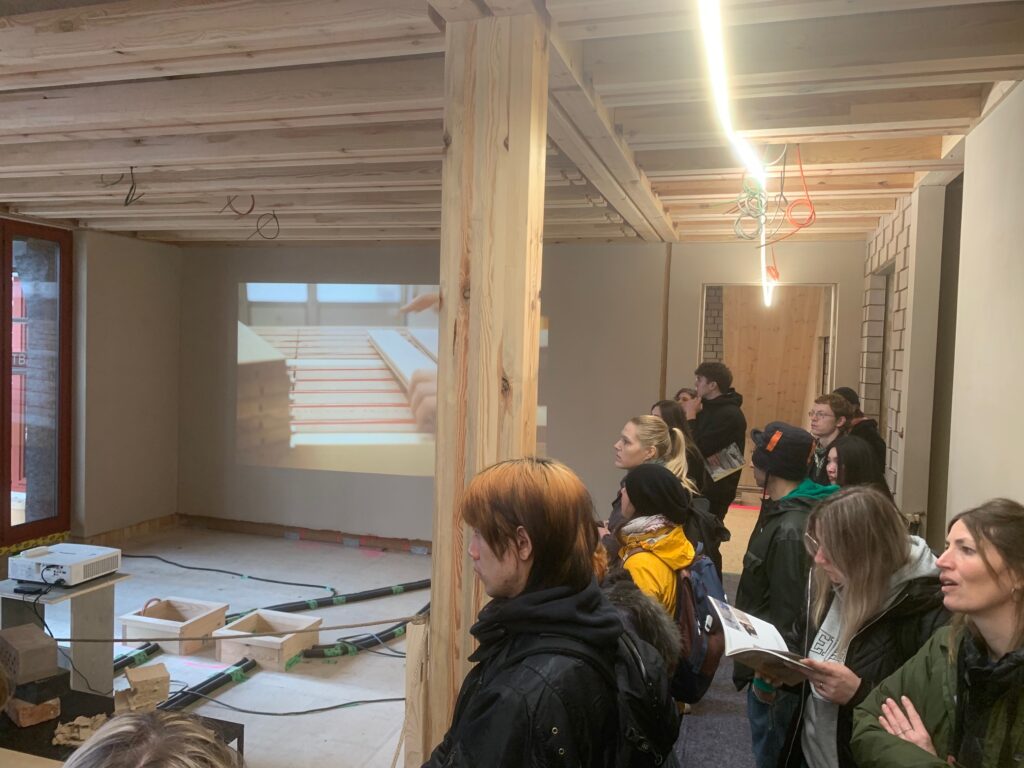
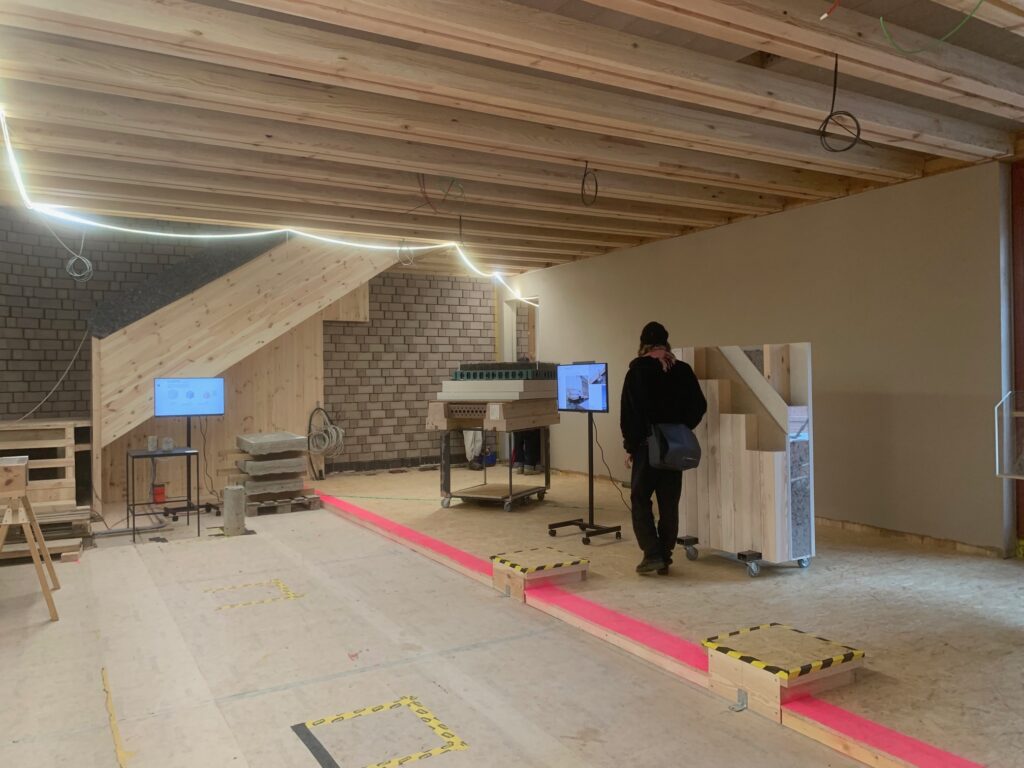
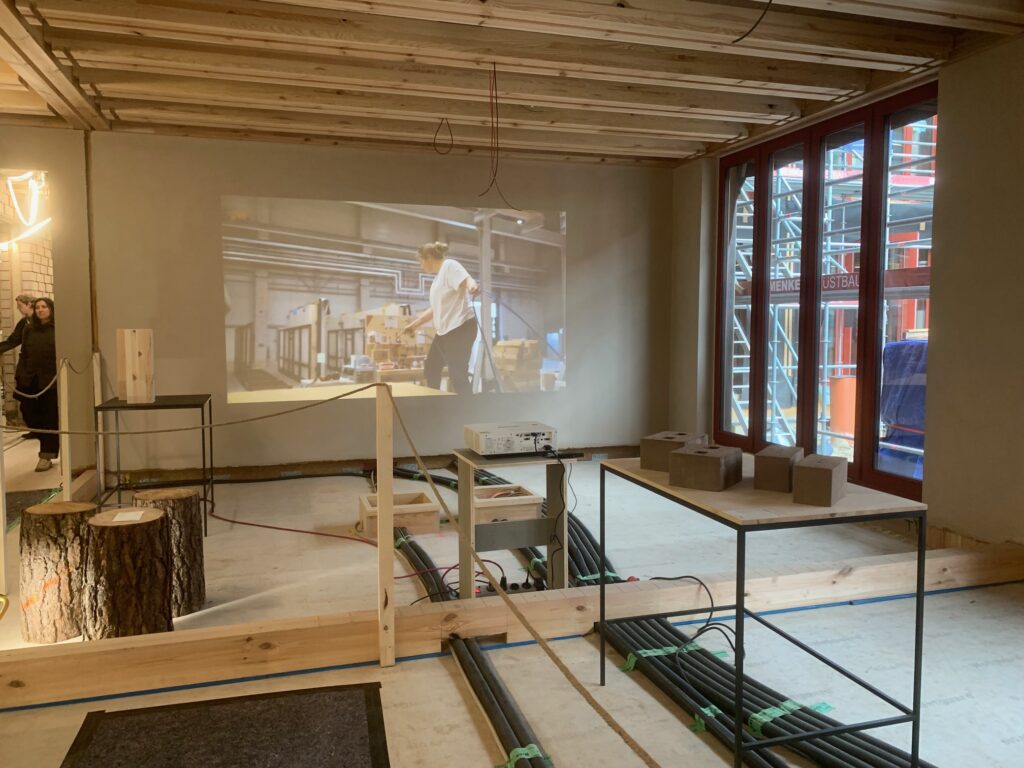
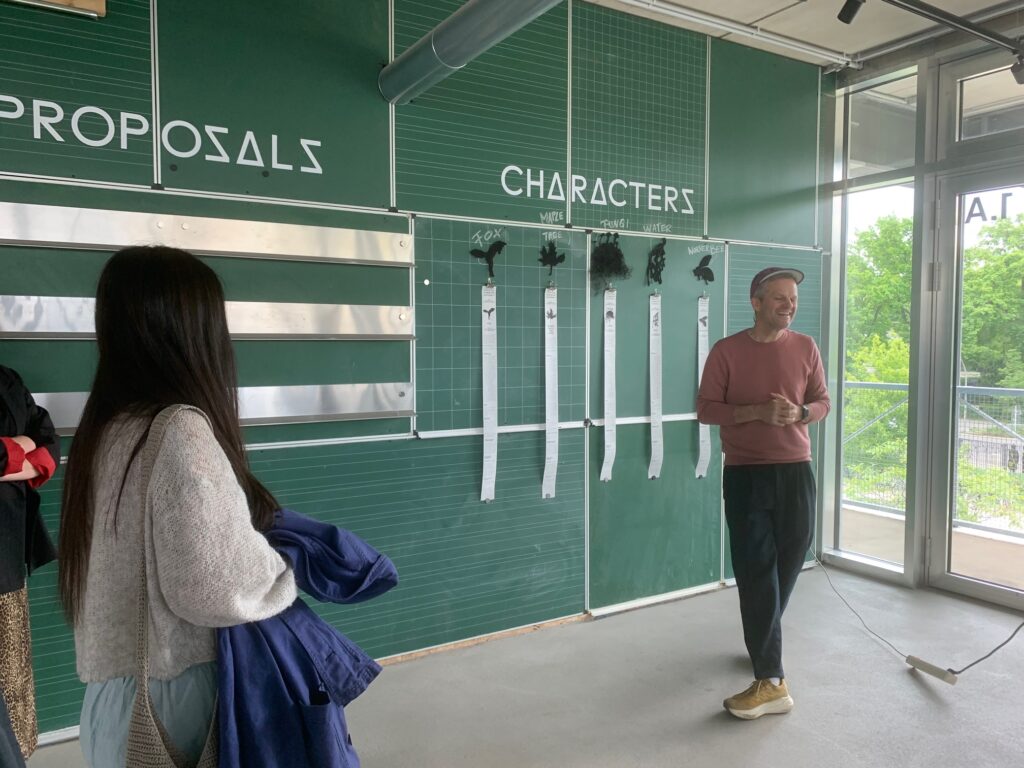
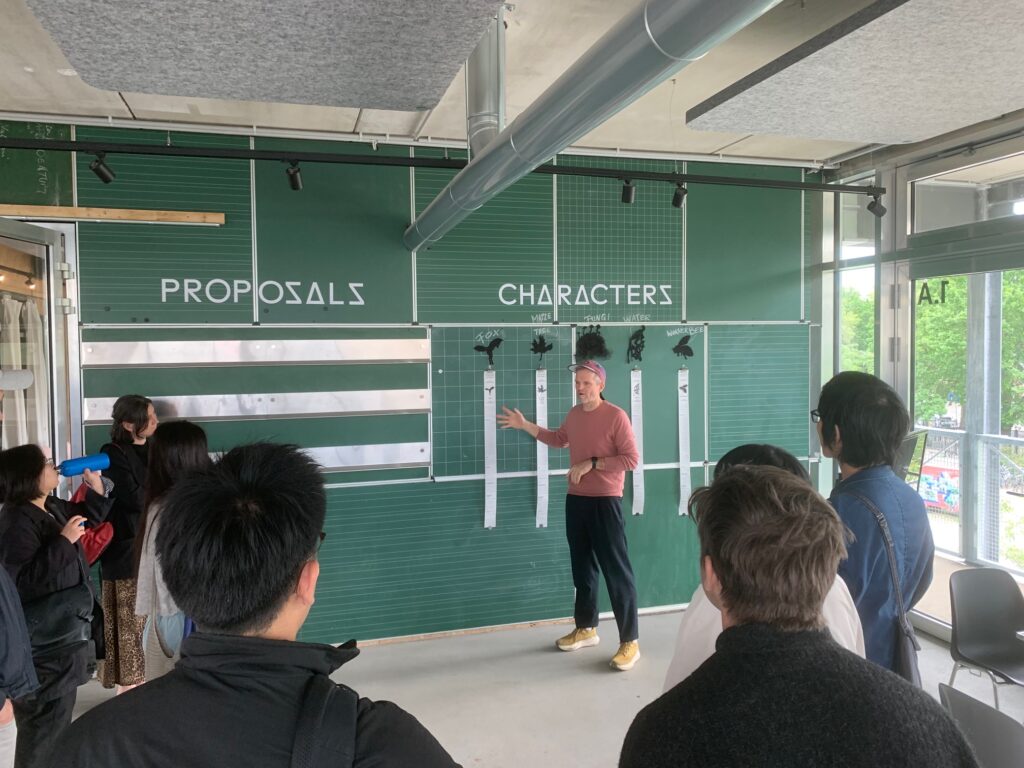
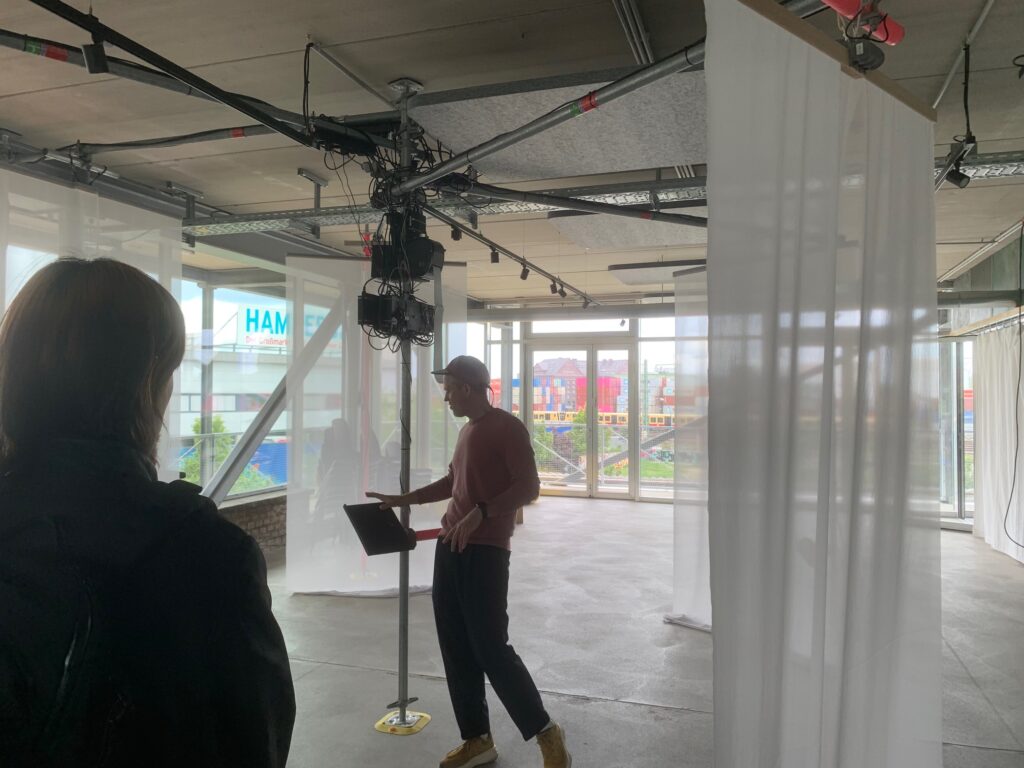
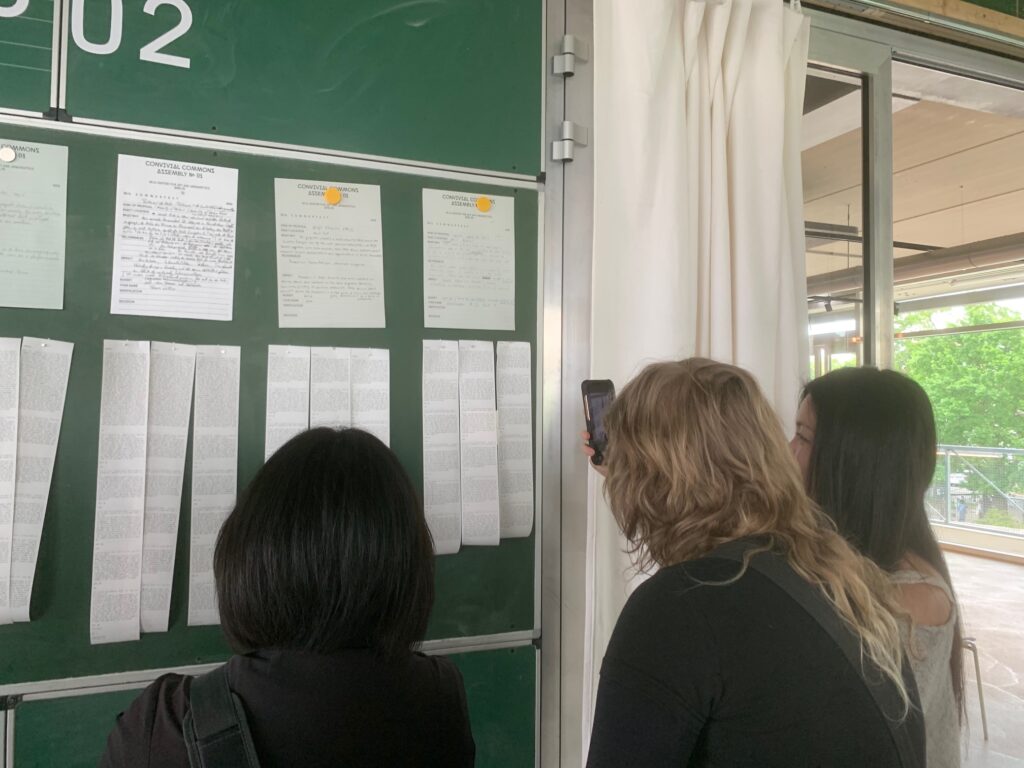
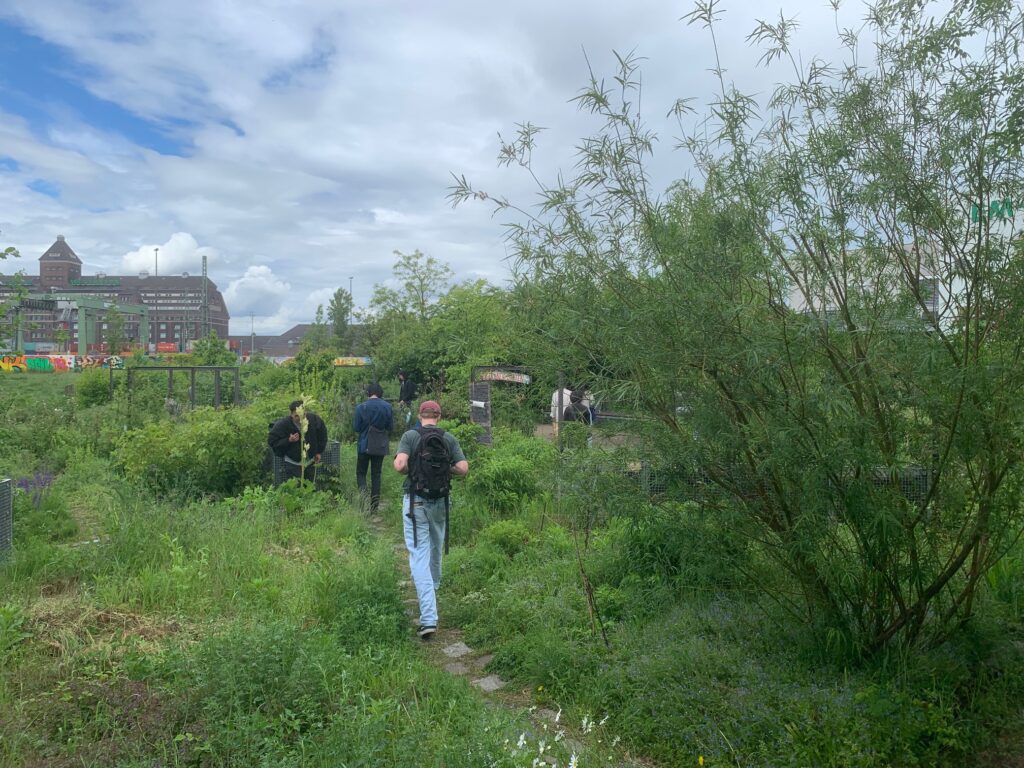
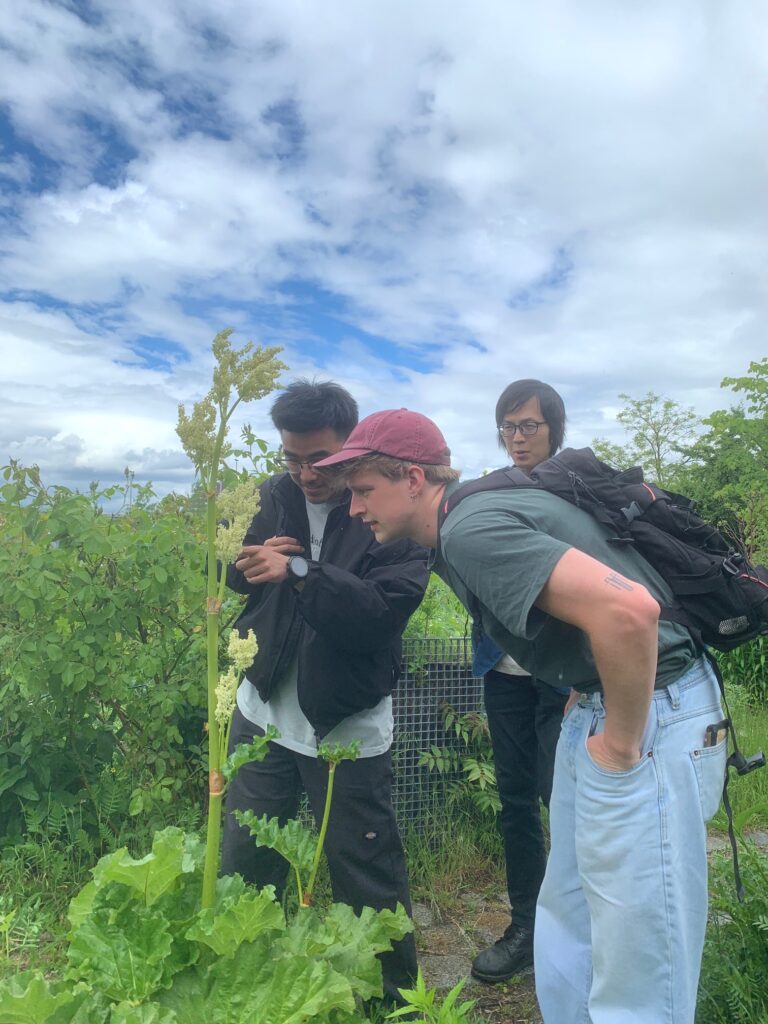
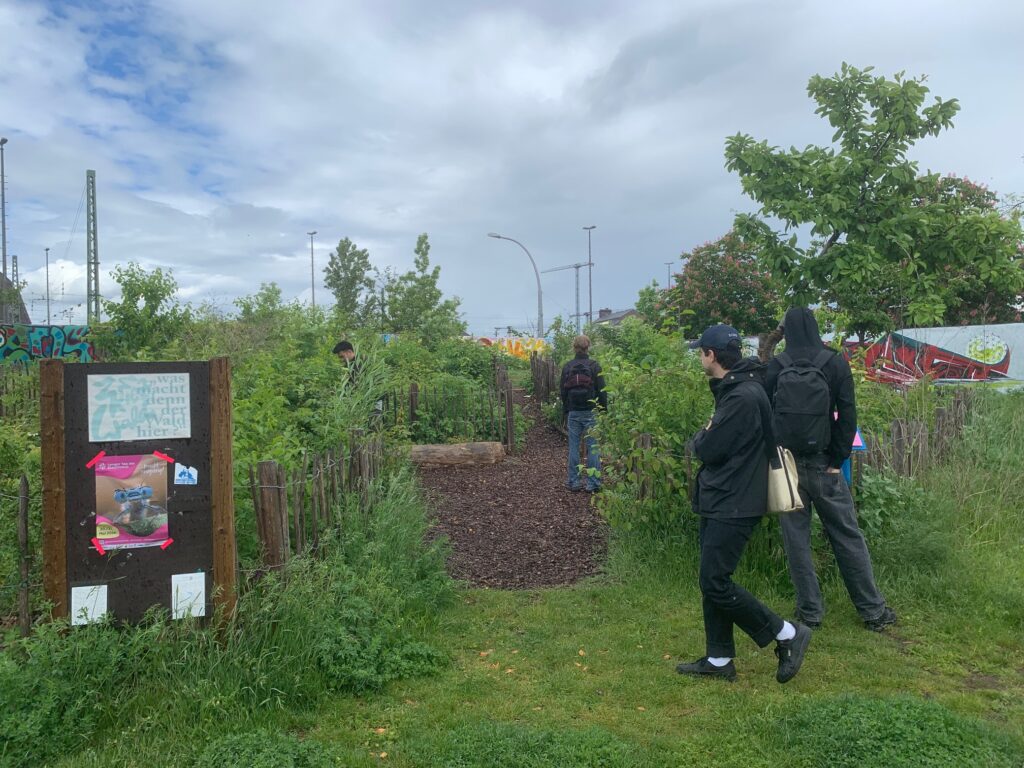
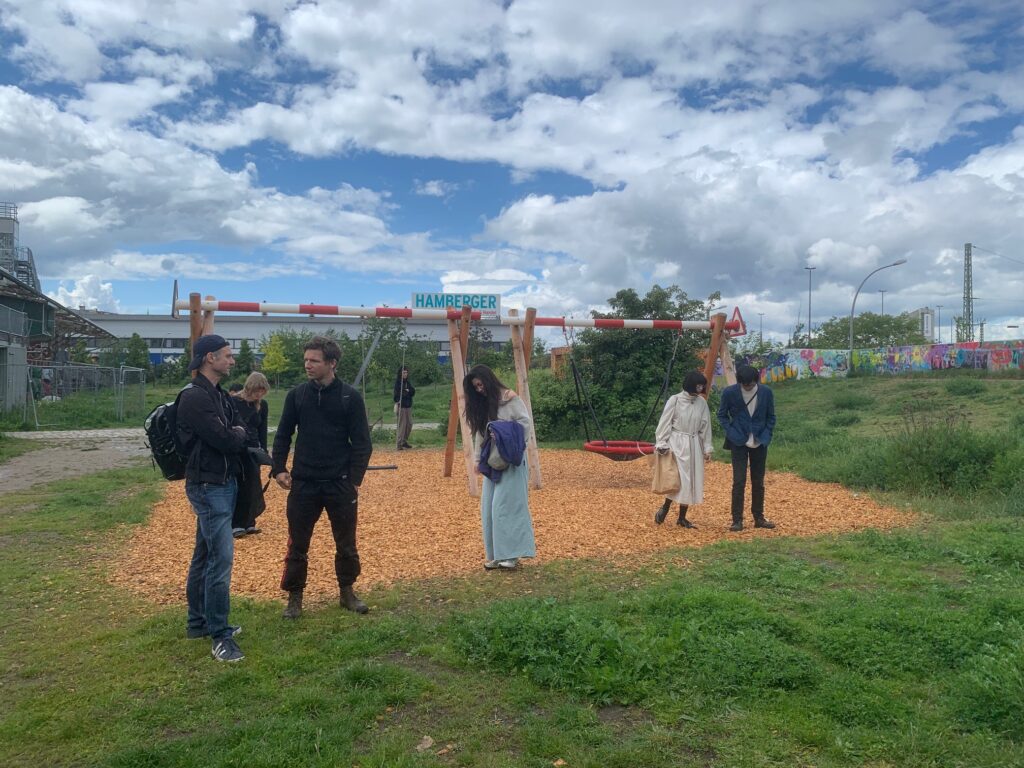
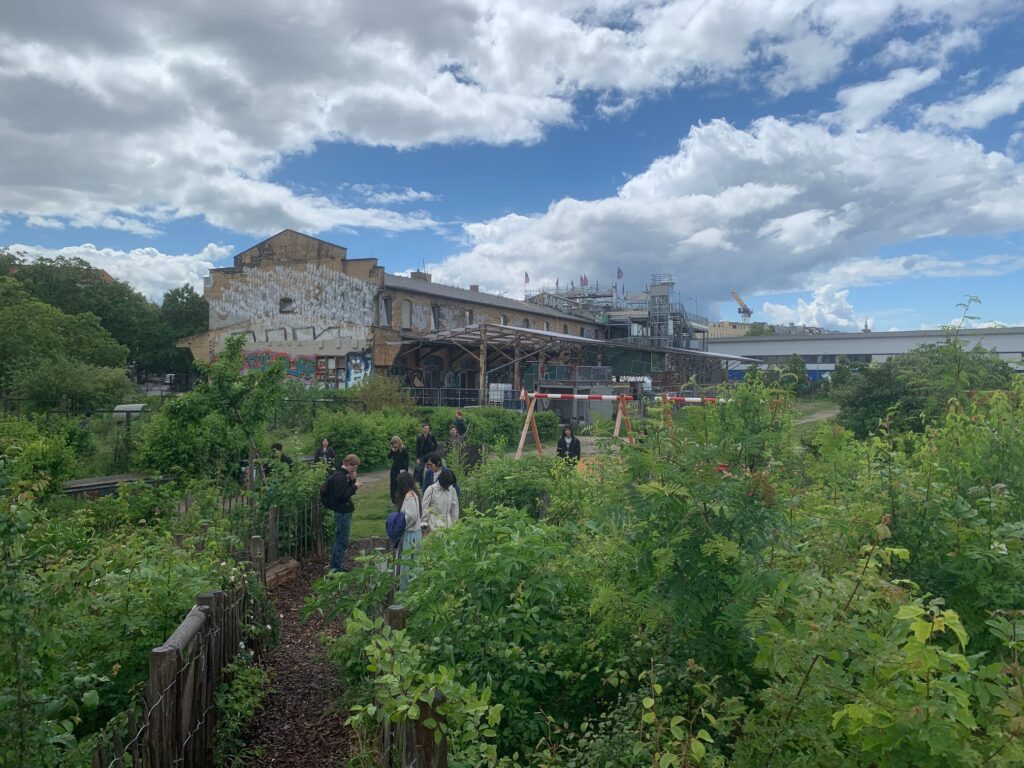
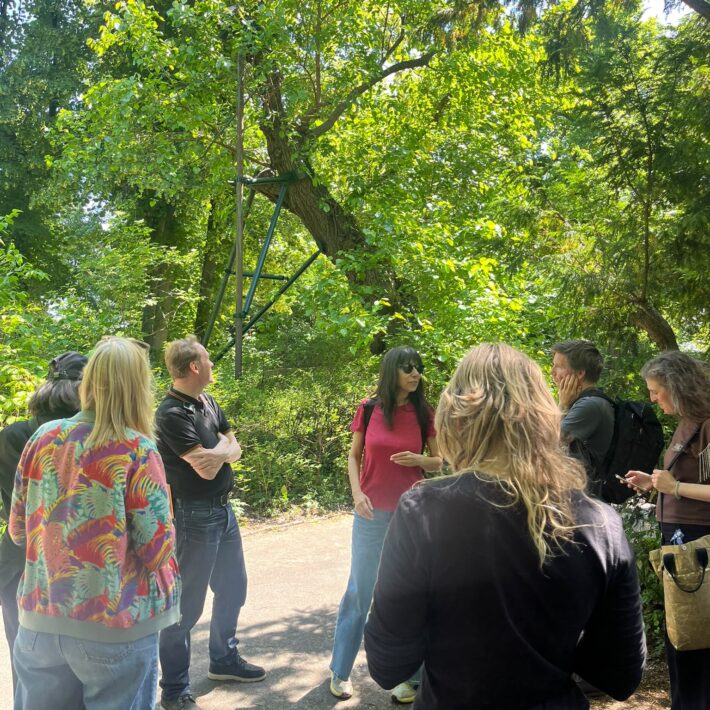
Expanding the classroom into the urban environment, a series of field trips formed the core of the collective process. The students visited the Urban Bees project at ZK/U and explored the Floating Berlin microcosm. Through a plant city walk led by Nika Radić and Georg Spehr, and a visit to the Bauhaus Earth project with Philip Misselwitz (Habitat Unit at TU Berlin), the group engaged directly with active ecological sites.
These excursions were complemented by visits to exhibitions and a curated programme of international film and media artworks centered on the theme of fieldwork for future urban ecologies. Ultimately, the seminar provided a space for students of the Experimental Film and Media Art class and the Studium Generale to move beyond theoretical discourse and actively engage with the politicised intersections of urban space, science, and the natural environment.