by Sabrina Labis with Katharina Lüdin and Anna Ilin
Summer Semester 2026
Universität der Künste Berlin (UdK), Filminstitut
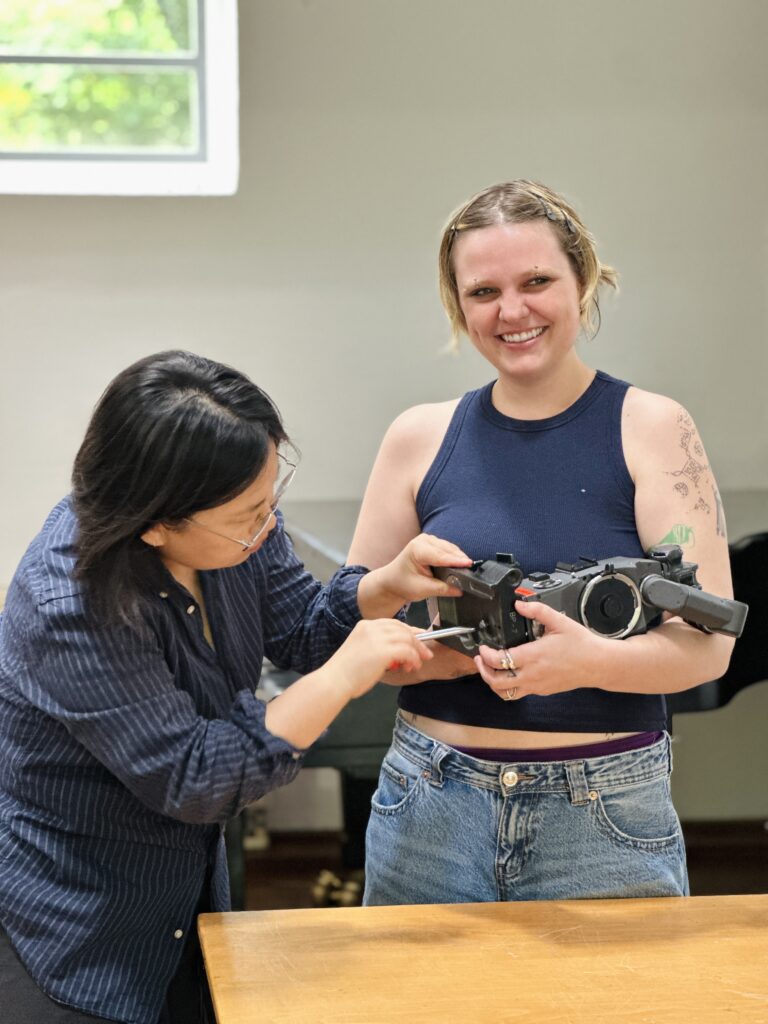
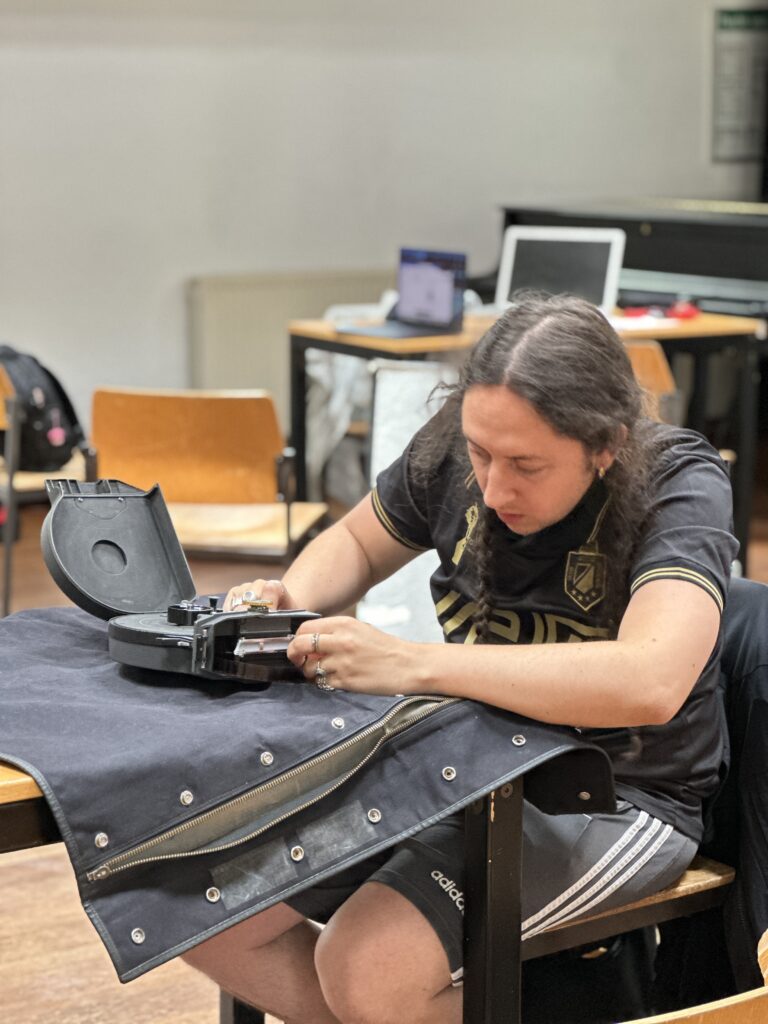
Following a media-philosophical approach, the seminar explored filmmaking as a form of magical practice. Drawing on Vilém Flusser’s reflections on the camera as a “magical apparatus” and on the “magical character of the image,” the students investigated how analogue cinematic tools and processes can alter perception, generate realities, and transform consciousness.
The seminar approached filmmaking as a cyclical and non-linear practice in which intuition, transformation, exchange, and the unpredictable became integral parts of the creative process. Rather than following a linear production model, the students developed cinematic ideas as well as image and sound concepts that were continuously exchanged, reinterpreted, and further developed throughout the seminar.
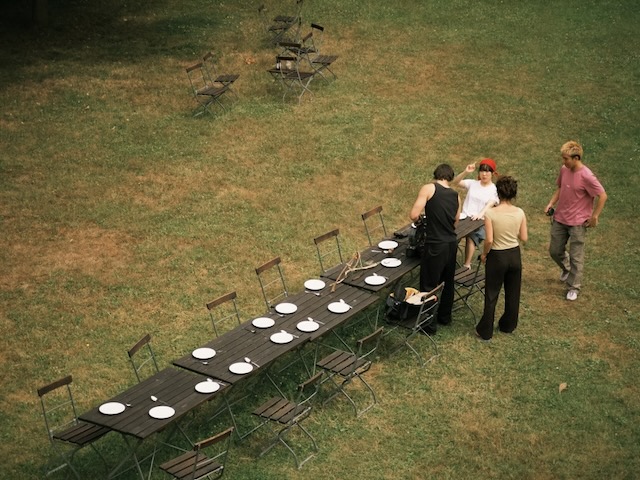
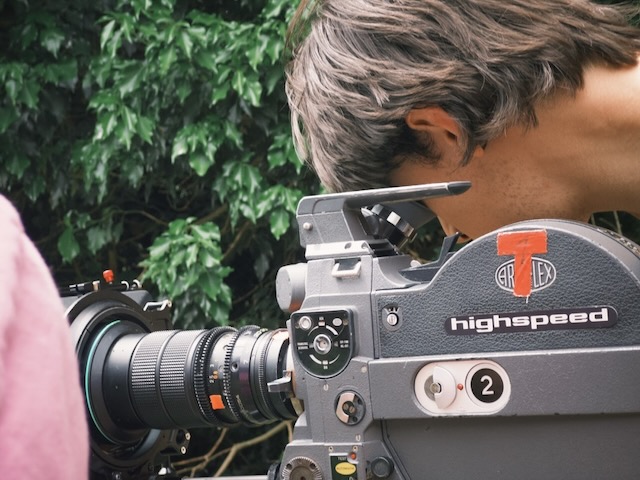
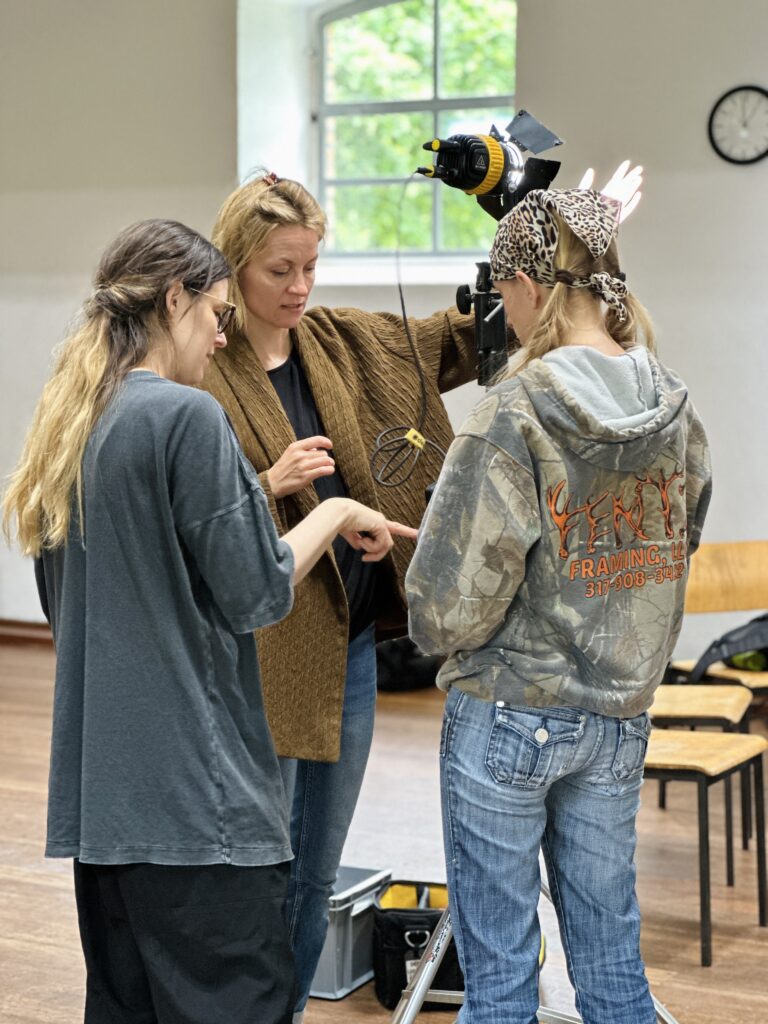
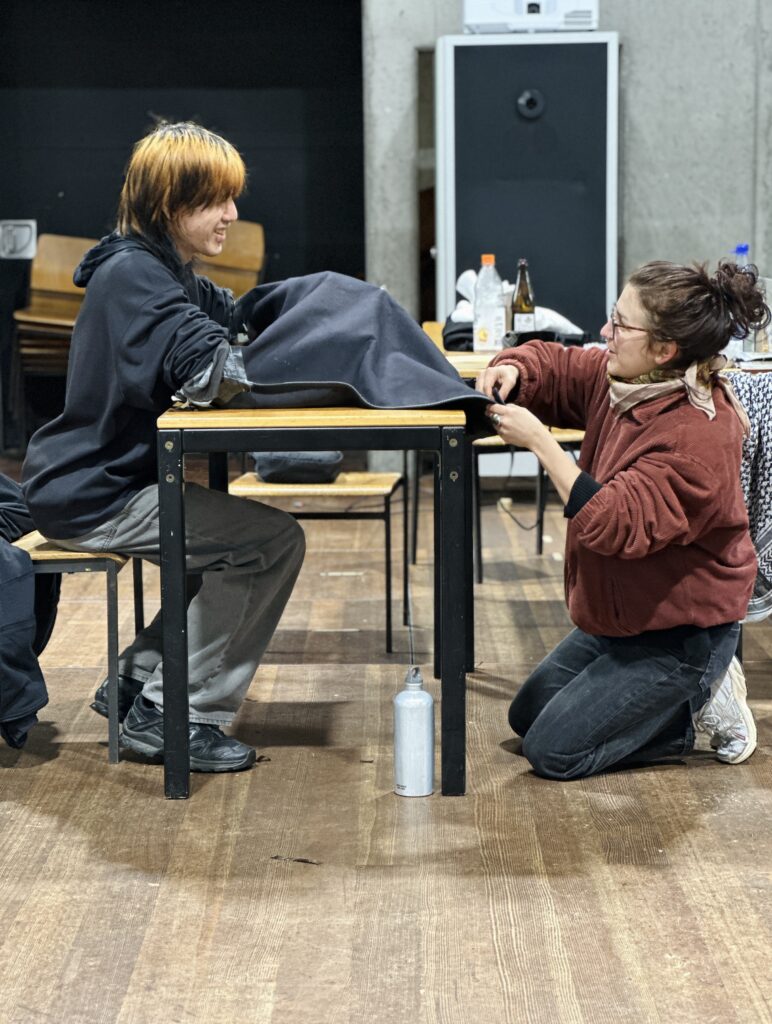
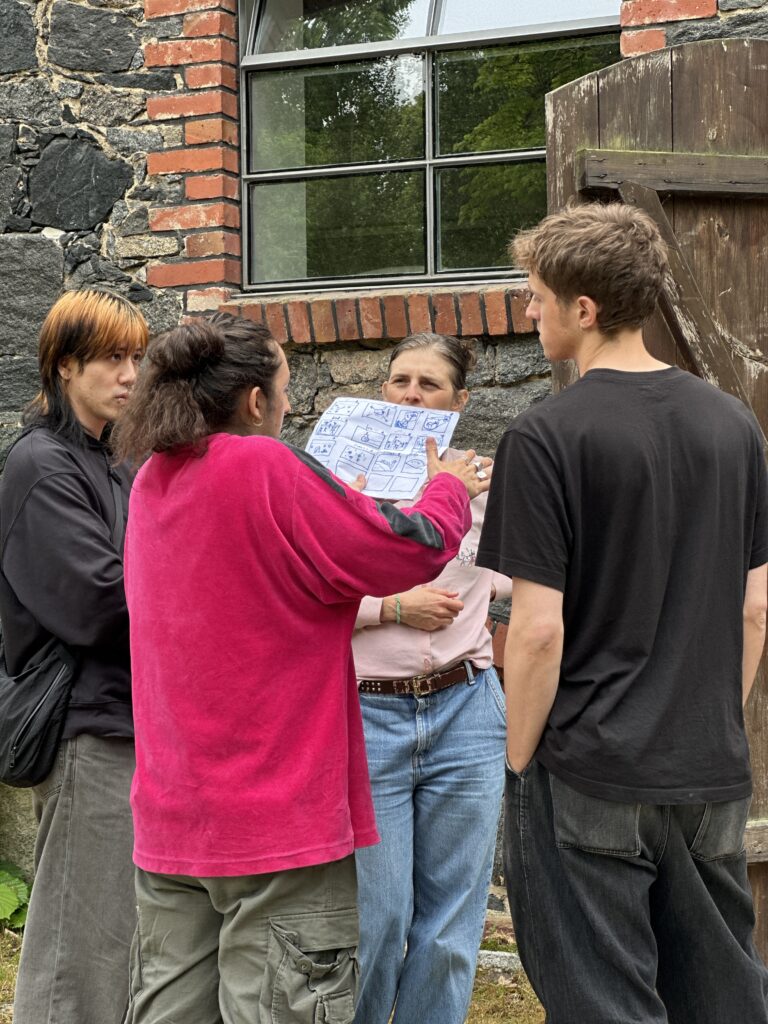
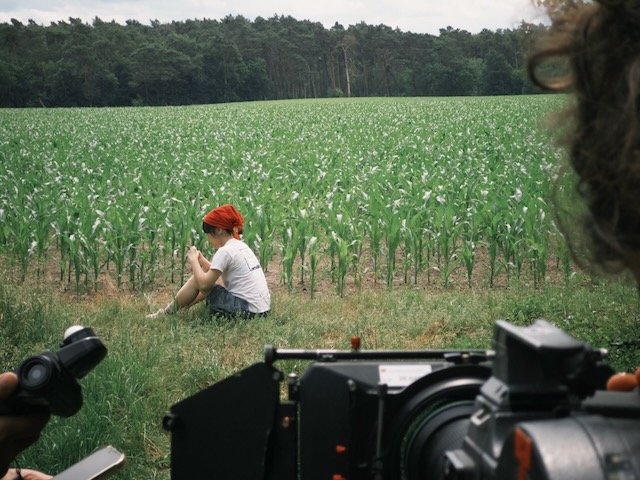
A central part of the seminar was a five-day study trip to Gutshof Sauen in Brandenburg, a countryside guest house for students of the Berlin University of the Arts. During this intensive working period, the students developed their own analogue cinematic “magic formulas” and created film recordings on 16mm.
The individual film rolls were structured directly in the camera during the shooting process and were subsequently preserved as unedited units. This approach allowed the material to retain the traces of its production and to remain open to unexpected connections and reinterpretations. In a further collective working process, each team developed a sound design for a film roll that had not been shot by them. Through this exchange of authorship and material, image and sound encountered each other in ways that could not have been fully anticipated during production.
The resulting work,titled 235.27 meters, emerged from this collaborative and intuitive process. Bringing together the individual 16mm rolls and their accompanying sound compositions, the film operated through repetition, juxtaposition, and continuous return. Its loop structure reinforced the seminar’s cyclical understanding of filmmaking and allowed images and sounds to generate new relationships each time they reappeared.
Rather than treating the film as the expression of a single authorial vision, the process opened up a collective form of filmmaking in which images, sounds, ideas, and decisions circulated between the participants. 235.27 meters thus challenged conventional notions of individual authorship and explored filmmaking as an open practice shaped by exchange, intuition, transformation, and the unpredictable qualities of analogue film.